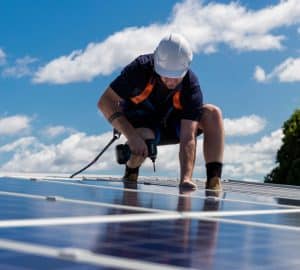
In the world of renewable energy, solar panels have become an increasingly popular choice for homeowners and businesses alike. These panels harness the power of the sun to generate electricity, providing a sustainable and cost-effective energy solution. However, like any technology, solar panels require regular maintenance to ensure optimal performance. One essential aspect of solar panel maintenance is detaching and resetting them when necessary. In this article, we will explore the importance of this process, the steps involved, potential challenges, and the impact it has on solar panel efficiency.
Understanding the Need for Detaching and Resetting Solar Panels
The Importance of Regular Solar Panel Maintenance
Maintaining your solar panels is crucial for maximizing their efficiency and longevity. Over time, factors such as dust, debris, and weather conditions can impact their performance. Regular maintenance helps to keep your panels clean, ensuring that they can absorb sunlight effectively and convert it into electricity.
Detaching and resetting solar panels is an integral part of this maintenance routine. It allows you to inspect the panels, clean them thoroughly, and address any potential issues that may arise.
Reasons for Detaching and Resetting Solar Panels
There are several situations that may require you to detach and reset your solar panels. One common reason is when you need to repair or replace damaged panels. By detaching them, you gain better access to assess the extent of the damage and perform the necessary repairs. In some cases, detaching may also be necessary during renovations or roof repairs.
Additionally, detaching and resetting your solar panels allows you to optimize their positioning. As the sun moves throughout the day and seasons change, adjusting the angle and orientation of the panels can significantly improve their energy output. This process ensures that your panels are always in the best position to capture sunlight efficiently.
The Process of Detaching Solar Panels in Irving
Safety Measures to Consider Before Detaching
Prior to detaching your solar panels, it is essential to prioritize safety. Ensure that you are familiar with the specific safety guidelines provided by your solar panel manufacturer. These guidelines typically include instructions on working at heights, using appropriate personal protective equipment, and properly handling electrical connections.
If you are unsure about any aspect of the detachment process, it is advised to seek professional assistance. Professional solar panel installers have the expertise and equipment required to safely detach and reset your panels.
Step-by-Step Guide to Detaching Solar Panels
1. Disconnect the solar panel array from the power source. This step involves switching off the inverter and disconnecting any electrical connections leading to the panels.
2. Securely attach a harness or safety line to yourself and the roof. This ensures stability and prevents accidents while working at heights.
3. Carefully remove any mounting hardware or brackets that secure the solar panels to the roof. This may involve unscrewing bolts or removing clips, depending on your specific installation.
4. Gently lift the detached panels off their mounts, ensuring that no damage occurs to the panels or the roof. Take extra care when handling delicate components, as they may be easily damaged.
5. Clean the panels thoroughly using a soft brush or sponge and a mild detergent solution. Remove any dirt, leaves, or other debris that may have accumulated on the surface. Rinse with clean water to ensure no soap residue remains.
6. Once the panels are clean, it is time to reset them. Follow the manufacturer’s instructions to reinstall the panels securely onto the mounts, using the appropriate mounting hardware.
7. Reconnect the electrical connections and ensure that they are properly insulated to prevent any safety hazards.
8. Finally, turn the inverter back on and monitor the solar panel system to ensure it is functioning correctly.
Resetting Your Solar Panels: A Comprehensive Guide
Preparing Your Solar Panels for Resetting
Before resetting your solar panels, it is essential to carry out some preparatory steps. Start by turning off the inverter to prevent any electrical accidents during the process. Additionally, ensure that you have a clear understanding of the reset procedure provided by your solar panel manufacturer. Familiarize yourself with any specific instructions or precautions they recommend.
Detailed Instructions for Resetting Solar Panels
1. Begin by carefully disconnecting the electrical connections leading to the solar panels. Remember to follow proper safety procedures and use insulated tools when working with electrical connections.
2. Remove any mounting hardware or brackets holding the panels in place. Take note of their position for proper reinstallation later.
3. Gently lift the panels off their mounts, ensuring not to damage the panels or roof. Handle them with care, especially fragile components such as glass or connectors.
4. Inspect the panels for any signs of damage or defects. Check for loose connections, cracked glass, or any other issues that may need attention. Repair or replace components as necessary.
5. Clean the panels thoroughly using a soft brush or sponge and a mild detergent solution. Removing dirt, grime, and other debris will help optimize the panel’s performance. Rinse with clean water to ensure no soap residue remains.
6. Reset the panels by securely attaching them back onto the mounts, using the original mounting hardware. Ensure that they are aligned correctly and tightened to avoid any movement or instability.
7. Reconnect the electrical connections, ensuring that they are properly insulated. Double-check all connections for safety and reliability.
8. Turn the inverter back on and monitor your solar panel system to ensure it is functioning as expected. Pay attention to any error codes or abnormal behavior and address them promptly if necessary.
Potential Challenges in Detaching and Resetting Solar Panels
Common Issues in the Detachment Process
While detaching solar panels may seem straightforward, several challenges can arise during the process. These challenges include difficulties in removing mounting hardware, dealing with adhesive materials, or encountering unexpected structural issues with the roof. It is crucial to remain patient and take the necessary precautions to overcome these challenges safely. If faced with complex issues, consult a professional to avoid causing further damage or risking personal injury.
Troubleshooting Problems During Solar Panel Reset
When resetting your solar panels, you may encounter various problems that require troubleshooting. These can range from minor issues like loose connections to more significant complications like damaged components. In such cases, refer to the troubleshooting guide provided by your solar panel manufacturer. These guides typically include solutions for common problems, and they may also provide contact information for technical support if needed.
The Impact of Detaching and Resetting on Solar Panel Efficiency
How Resetting Can Improve Solar Panel Performance
Detaching and resetting solar panels can have a significant impact on their efficiency and overall performance. By regularly resetting your panels and optimizing their positioning, you ensure that they are constantly facing the sun at the optimal angle. This alignment maximizes sunlight absorption, resulting in improved energy production. Resetting can also address any minor issues that may be affecting the panel’s performance, such as loose connections or dirt buildup.
Long-Term Benefits of Regular Solar Panel Detachment and Reset
Regular detachment and reset of your solar panels provide several long-term benefits. Firstly, it helps maintain their efficiency over time, ensuring you get the most out of your investment in renewable energy. Secondly, it allows for early detection of any potential issues or defects, preventing more significant problems and costly repairs down the line. Lastly, by regularly cleaning and inspecting your panels during the detachment process, you ensure their longevity and maximize their lifespan.
In conclusion, detaching and resetting solar panels play a crucial role in their maintenance and optimization. By following the appropriate safety measures and step-by-step processes, you can ensure a successful detachment and reinstallation. Regularly resetting your panels improves their performance, maximizes energy production, and increases their lifespan. By incorporating solar panel detachment and reset into your maintenance routine, you can enjoy the long-term benefits of an efficient and sustainable energy source.
Ready to ensure your solar panels are operating at peak efficiency? Look no further than SER Dallas, your trusted family-owned and operated solar experts in Alvarado, TX. We’re committed to providing top-notch service without subcontracting, meaning you benefit from our in-house expertise and savings. Whether you’re looking to replace an old roof, dispose of non-operating PV systems, or require expert electrical services, we’ve got you covered. Take the first step towards maximizing your energy savings and join the renewable revolution with SER Dallas. Don’t miss out on the opportunity to own your system and enjoy the financial incentives of solar energy. Schedule your Free Consultation today! and let us help you put money back into your pocket with quality workmanship and trusted products.