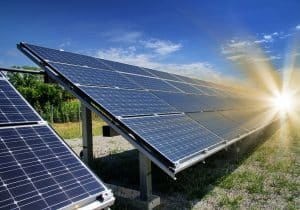
In recent years, solar energy has gained significant popularity as a clean and sustainable alternative to traditional energy sources. As the demand for renewable energy continues to grow, more and more homeowners in Fort Worth are considering solar system installations. This article aims to provide an in-depth understanding of solar energy and the solar installation process, as well as highlight the components of a solar system, maintenance practices, and available financing and incentives.
Understanding Solar Energy
The Basics of Solar Power
Solar power is derived from sunlight, which is a readily available and abundant source of energy. The basic principle behind solar power is the conversion of sunlight into electricity. This is made possible through the use of solar panels, which contain photovoltaic cells that absorb sunlight and convert it into usable electricity.
When sunlight hits the solar panels, the photovoltaic cells within the panels create an electric field across layers of silicon. This electric field then allows the flow of electricity, generating direct current (DC) energy. An inverter then converts this DC energy into alternating current (AC) electricity, which is the type of electricity used to power homes and businesses. The electricity produced can be used immediately or stored in batteries for later use, ensuring a continuous power supply even when the sun is not shining.
Benefits of Solar Energy
The advantages of solar energy are numerous. First and foremost, solar power is a renewable and clean source of energy, meaning it does not produce harmful emissions or contribute to air pollution. Additionally, solar energy can help reduce dependence on fossil fuels, lower electricity bills, and increase property value. Moreover, installing solar panels can be seen as a long-term investment, as it allows homeowners to generate their own electricity and potentially sell excess power back to the grid.
Furthermore, the use of solar energy can have a positive impact on the environment by reducing greenhouse gas emissions and combating climate change. By harnessing the power of the sun, individuals and communities can contribute to a more sustainable future for generations to come. The versatility of solar energy is also worth noting, as it can be utilized in various applications beyond electricity generation, such as heating water and powering outdoor lighting systems. Embracing solar power not only offers economic benefits but also plays a crucial role in promoting energy independence and environmental stewardship.
The Solar Installation Process
Initial Consultation and Site Evaluation
The solar installation process begins with an initial consultation with a reputable solar company. During this stage, a solar energy expert will visit the property to assess its suitability for solar system installation. Factors such as roof orientation, shading, and available space will be evaluated to determine the optimal design and energy production potential.
Additionally, during the initial consultation, the solar company will discuss the homeowner’s energy needs and goals. Understanding how much energy the household consumes and the desired level of energy independence will help tailor the solar system design to meet those specific requirements. This personalized approach ensures that the solar installation will be a perfect fit for the homeowner’s lifestyle and energy objectives.
Designing the Solar System
Once the site evaluation is complete, the solar company will proceed with designing a customized solar system for the specific property. This includes determining the number of solar panels required, the positioning of the panels, and the selection of appropriate inverters and batteries, if applicable.
Moreover, the design phase also involves obtaining any necessary permits and approvals from local authorities. Ensuring compliance with building codes and regulations is crucial to a successful solar installation. The solar company will handle all the paperwork and logistical aspects to streamline the process for the homeowner, making the transition to solar energy as smooth as possible.
Installation and Activation
With the design finalized, the installation phase begins. Trained technicians will mount the solar panels on the roof or any suitable location within the property. The panels are then connected to the electrical system, and the entire system is thoroughly tested to ensure optimal performance. Once the system is up and running, it can be activated to start generating clean, renewable energy.
Solar System Components
Solar Panels
Solar panels are the most recognizable component of a solar system. They are typically made up of numerous photovoltaic cells, which are responsible for converting sunlight into electricity. These panels are designed to withstand various weather conditions and can last for decades with proper maintenance.
Inverters
Inverters are a crucial part of any solar system as they convert the generated DC (direct current) electricity from the solar panels into AC (alternating current) electricity that can be used to power household appliances and electrical systems. There are different types of inverters available, such as string inverters and microinverters, each with its own advantages.
Batteries and Energy Storage
Batteries and energy storage systems allow homeowners to store excess electricity generated by their solar panels for later use, such as during non-sunny hours or power outages. This helps maximize the self-consumption of solar energy and further reduces reliance on the grid. Advancements in battery technology have made energy storage solutions more efficient and cost-effective.
Maintenance and Longevity of Solar Systems
Regular Maintenance Tasks
While solar systems are relatively low-maintenance, periodic upkeep is necessary to ensure optimal performance and longevity. This includes routine cleaning of the panels to remove dust and debris, inspection of wiring and connections, and monitoring energy production. Regular maintenance can help identify any issues early on and prevent potential disruptions.
Lifespan of Solar Components
Solar panels are designed to be durable and can last up to 25 to 30 years or more with proper care. Inverters generally have a shorter lifespan, typically ranging from 10 to 15 years. Batteries and energy storage systems also have a limited lifespan, but advancements in technology continue to extend their longevity. Regular maintenance and adhering to manufacturer guidelines can help optimize the lifespan of these components.
Financing and Incentives for Solar Installation
Federal Solar Tax Credit
One of the key incentives for solar installation is the federal solar tax credit, also known as the investment tax credit (ITC). This allows homeowners to deduct a portion of the cost of their solar system from their federal income taxes. Currently, the ITC offers a 26% tax credit for residential solar installations, making solar energy more affordable for homeowners in Fort Worth.
Local Incentives in Fort Worth
In addition to the federal incentives, Fort Worth residents may also be eligible for local incentives and rebates. These incentives vary depending on the specific utility company and local ordinances. It is recommended to consult with a solar company or research local programs to determine the available incentives for solar installations in Fort Worth.
As the demand for renewable energy grows, Fort Worth residents are increasingly turning to solar system installations as a sustainable and cost-effective solution. Understanding the basics of solar energy, the solar installation process, and the components of a solar system can help homeowners make informed decisions. With proper maintenance and the availability of financing and incentives, solar systems can provide a reliable and environmentally friendly source of electricity for years to come.
Ready to harness the power of the sun and take control of your energy future in Fort Worth? Look no further than SER Dallas, your local, family-owned solar expert. With our commitment to quality workmanship, personalized solar solutions, and comprehensive services, we stand ready to guide you through every step of the solar installation process. From the initial design to the final activation, our in-house team ensures a seamless transition to solar energy, without the need for subcontractors. Embrace the benefits of solar power and start saving on your electricity bills today. For a no-obligation, Free Consultation, visit us now and join the growing number of satisfied homeowners and business owners who trust SER Dallas for their solar energy needs.