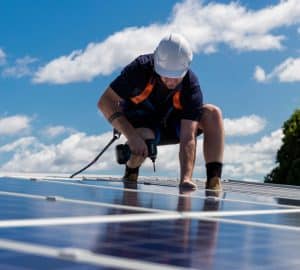
Solar panels are a sustainable and cost-effective solution for generating clean energy. However, they require regular maintenance to ensure optimal performance and longevity. In this article, we will explore the basics of solar panels, the importance of regular maintenance, step-by-step guide to detaching solar panels, troubleshooting common issues, and a guide to resetting solar panels.
Understanding the Basics of Solar Panels
Solar panels consist of several components that work together to convert sunlight into electricity. Understanding these components is essential for proper maintenance and troubleshooting.
It’s fascinating to delve deeper into the world of solar panels and explore the intricate details of how they function. From the photovoltaic cells to the inverters, each component plays a vital role in harnessing the sun’s energy and transforming it into a sustainable power source.
Components of Solar Panels
The main components of solar panels include:
- Photovoltaic cells: These cells are responsible for converting sunlight into electricity.
- Frames: Frames provide structural support and protection to the solar panels.
- Inverters: Inverters convert the direct current (DC) produced by the solar panels into alternating current (AC) that can be used to power homes or businesses.
- Mounting systems: Mounting systems securely attach the solar panels to rooftops or the ground.
- Wiring: Wiring connects the various components of the solar panel system.
Each component of a solar panel system is meticulously designed to ensure maximum efficiency and durability. The frames, often made of aluminum or steel, not only provide support but also protect the panels from environmental factors such as wind and rain. Inverters are like the brains of the operation, seamlessly converting the sun’s energy into usable power for households and businesses.
How Solar Panels Work
Solar panels work by harnessing the power of the sun’s rays. When sunlight hits the photovoltaic cells, it creates an electric field that generates an electrical current. This current is then converted into usable electricity through the inverters.
Understanding the intricate process by which solar panels operate highlights the importance of regular maintenance and upkeep. From cleaning the panels to checking for any wiring issues, proper care ensures optimal performance and longevity of the system.
Importance of Regular Maintenance for Solar Panels
Regular maintenance is essential to ensure the optimal performance and longevity of solar panels. Neglecting maintenance can result in decreased efficiency and potential damage to the system.
Proper maintenance of solar panels involves more than just occasional cleaning. It requires a comprehensive approach that includes regular inspections, cleaning, and testing to ensure that the system functions at its best.
Enhancing Efficiency through Maintenance
Regular cleaning of solar panels helps to remove dirt, debris, and dust, which can obstruct sunlight and reduce efficiency. Additionally, inspecting and cleaning the mounting systems ensures that the panels remain securely attached and properly aligned.
Furthermore, optimizing the tilt and orientation of solar panels based on seasonal changes can significantly improve energy production. Adjusting the angle of the panels ensures maximum exposure to sunlight throughout the year, enhancing overall efficiency.
Periodic inspection of wiring connections and inverter functionality helps identify any issues that may affect the overall performance of the solar panel system.
Preventing Damage and Prolonging Lifespan
Maintaining your solar panels prevents potential damage, such as cracked panels or loose connections, from developing into more significant problems. Early detection and repair can save you time and money in the long run.
Regular maintenance also helps to prolong the lifespan of your solar panels. By addressing any issues promptly, you can ensure that your system operates efficiently for many years.
Additionally, implementing a monitoring system that tracks the performance of your solar panels can help detect any deviations from expected output. By analyzing this data, you can proactively address any issues that may arise, ensuring that your system continues to operate at peak efficiency.
Step-by-Step Guide to Detaching Solar Panels
Detaching solar panels may be necessary for a variety of reasons, such as repairs, reinstallation, or relocation. Follow these steps to safely detach solar panels:
When it comes to solar panel maintenance, proper detachment is crucial to ensure the safety of both the equipment and the individuals involved. By following a systematic approach, you can efficiently remove solar panels without causing any damage or harm.
Safety Measures to Consider
Before starting, ensure you take the following safety precautions:
- Turn off the power supply to the solar panel system.
- Wear appropriate personal protective equipment, such as gloves and safety goggles.
- Use a stable ladder or platform when accessing the solar panels.
Remember, safety should always be the top priority when working with solar panels. Taking the time to prepare and secure the work area can prevent accidents and ensure a smooth detachment process.
Tools Required for Detaching Solar Panels
To detach solar panels, you will need the following tools:
- Screwdriver or power drill
- Socket wrench
- Wire cutters
- Cable connectors
Having the right tools at your disposal can make the detachment process much more manageable. These tools will help you disconnect the solar panels efficiently and without any unnecessary complications.
Once you have gathered the necessary tools and taken the necessary safety measures, you can proceed with detaching the solar panels.
Before beginning the detachment process, it’s essential to double-check all connections and ensure that everything is in working order. This preliminary inspection can help identify any potential issues that may arise during the detachment and address them proactively.
Troubleshooting Common Solar Panel Issues
Solar panels may encounter various issues that can affect their performance. Identifying and addressing these issues promptly is essential to ensure maximum energy production.
Identifying Potential Problems
Common issues with solar panels include:
- Reduced energy output
- Cracked or damaged panels
- Loose or corroded wiring connections
- Inverter malfunction
Regular inspection and monitoring can help identify these problems before they escalate.
Quick Fixes for Common Issues
Some common issues can be addressed without professional assistance. For example, cleaning panels regularly to remove dirt and debris can significantly improve energy output. However, for more complex issues, it is advisable to seek professional help.
Guide to Resetting Solar Panels
Resetting solar panels may be necessary if you are experiencing persistent issues or a drop in energy production. Follow these steps to reset your solar panels:
When to Reset Your Solar Panels
You may consider resetting your solar panels if you encounter the following:
- Drastic decrease in energy production
- Malfunctioning inverter
- Unresponsive monitoring system
If troubleshooting attempts fail to resolve the issues, resetting the system can help restore proper functionality.
Steps to Successfully Reset Solar Panels
To reset your solar panels, follow these steps:
- Turn off the power supply to the solar panel system.
- Disconnect the wiring connections.
- Wait for at least 5 minutes to allow any residual charge to dissipate.
- Reconnect the wiring connections.
- Turn on the power supply.
- Monitor the system to ensure it is functioning correctly.
If the issues persist after resetting the solar panels, it is recommended to consult a professional for further assistance.
In conclusion, regular maintenance is essential for the optimal functioning and longevity of solar panels. Understanding the basics, detaching solar panels safely, troubleshooting common issues, and resetting the system when necessary are vital aspects of maintaining a solar panel system. With proper maintenance, your solar panels can continue to save you money and contribute to a sustainable future.
Ready to ensure your solar panels are performing at their best? Look no further than SER Dallas, your trusted family-owned and operated solar experts in Alvarado, TX. We’re here to equip you with the highest quality tools, information, and equipment to make your home energy-efficient. Fully licensed, bonded, and insured, we guarantee top-notch workmanship without the need for subcontractors. Whether you’re looking to save on electricity bills, take advantage of homeowner incentives, or simply contribute to a sustainable future, our in-house team is skilled in providing cost-effective solar solutions tailored to your needs. From rooftop installations to electrical services, we handle it all. Don’t let an old or damaged roof stand in the way of your solar potential; we specialize in the removal and re-installation of solar panels, as well as the disposal of non-operating systems. Schedule your Free Consultation today and let SER Dallas help put money back into your pocket while harnessing natural resources!